Philippa Gregory
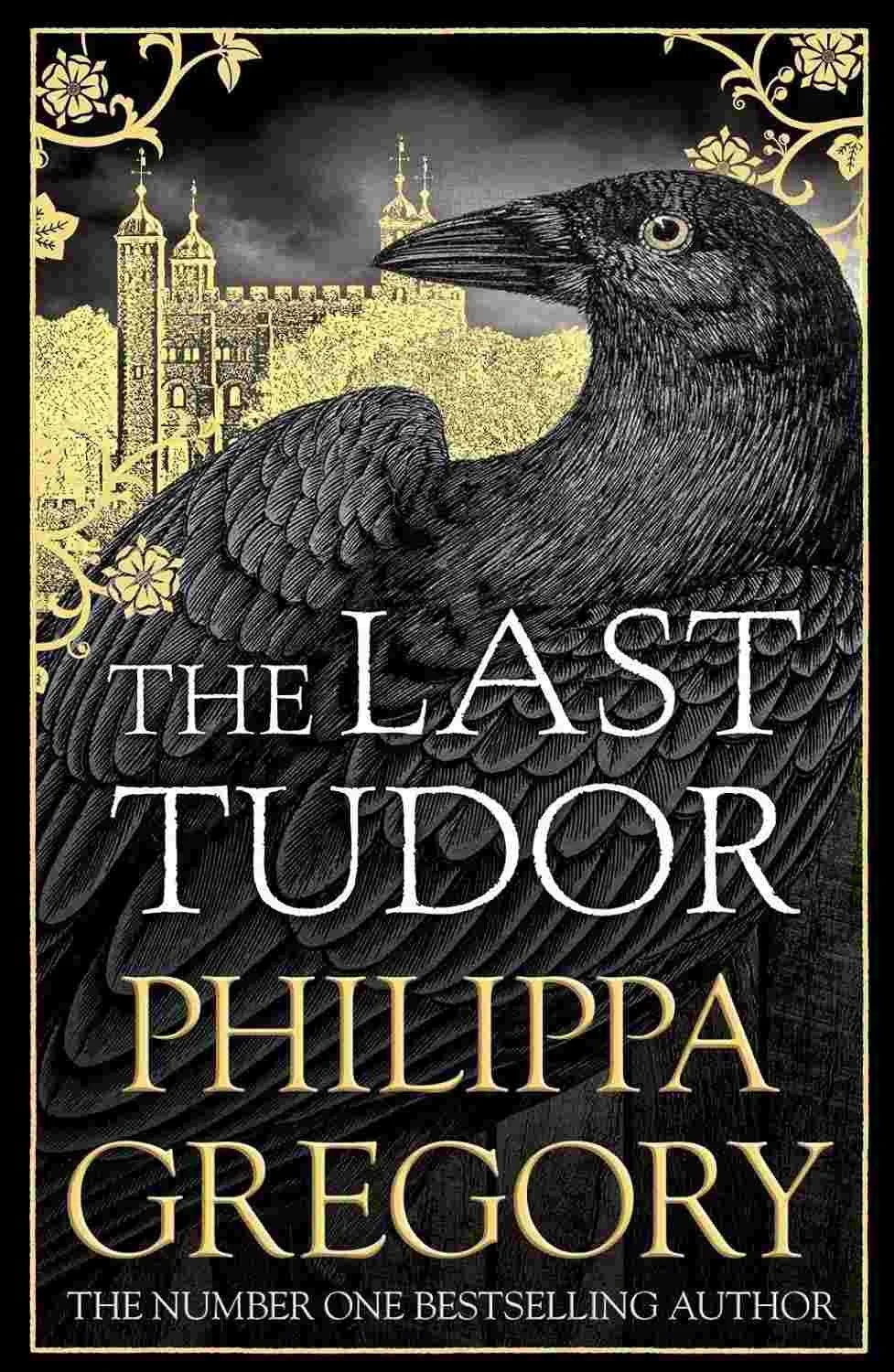
1-minute Review: Seasoned author Philippa Gregory delivers a bloody, dastardly, and utterly gripping historical novel about three sisters who were queens — or nearly queens — in Tudor England. It’s all true, monstrously so, and Gregory brings these forgotten women roaring back to life in a world of power, betrayal, and beheadings. If you love dark Tudor drama with zero sugar-coating, this one will have you hooked from the first page.
Full In-Depth Review Seasoned author Philippa Gregory writes a beautiful historical novel about three queens and two potential queens. Dastardly, bloody, and monstrous — and every bit of it true.
We follow the three Grey sisters, granddaughters of Henry VIII’s younger sister. The eldest, Lady Jane Grey, was only sixteen when she was pressured into ascending the throne after Edward VI (Henry VIII’s son) died. The powers-that-be wanted a Protestant ruler, not the Catholic Mary I, so they shoved Jane onto the throne. She was queen for just nine days before Mary reclaimed her crown with an army and sent Jane to the Tower of London. Jane refused to abandon her Protestant faith, and Mary had her executed by beheading.
The plots are thick and fast, and at times they feel almost unbelievable — except they’re entirely accurate. What Philippa Gregory does so brilliantly is bring these historical characters to vivid, breathing life. In our era of mobile-phone vanity and social-media drama, you could lift King Henry VIII’s daughters straight out of the past and drop them into today’s world and they’d fit right in: vain, poisonous, calculating, debaucherous, and greedy.
I’ve seen one or two films about Elizabeth I where she’s portrayed as fragile and beautiful. Gregory completely turns that on its head, and every word she writes makes far more sense. The narcissism and psychopathy are portrayed so convincingly that you start to understand exactly why Elizabeth became the woman she did. She’s rotten to the core — and yet you can’t look away.
The book follows the sisters in turn: first Jane, then Katherine, then Mary. At first I found the transition from one sister’s story to the next a little jarring, but after a few pages you’re fully invested in the next one. You end up rooting hard for these girls as they fight to keep their heads (sometimes literally) in one of the most dangerous courts in history.
Pace & Plot: The pace starts steady and scholarly with Jane’s section, then picks up real momentum once we move to Katherine and Mary. The plot never lets up — secret marriages, betrayals, imprisonments, and desperate bids for love and survival keep the pages turning. It’s dense with real historical events, but Gregory weaves them so you never feel like you’re sitting through a lecture.
Characters: Gregory’s greatest strength is her characters. Jane is devout and scholarly, Katherine is passionate and headstrong, and Mary… well, I’ll get to her in a moment. Even the queens feel three-dimensional and terrifyingly human. You see the fear, the jealousy, the calculation behind every smile at court.
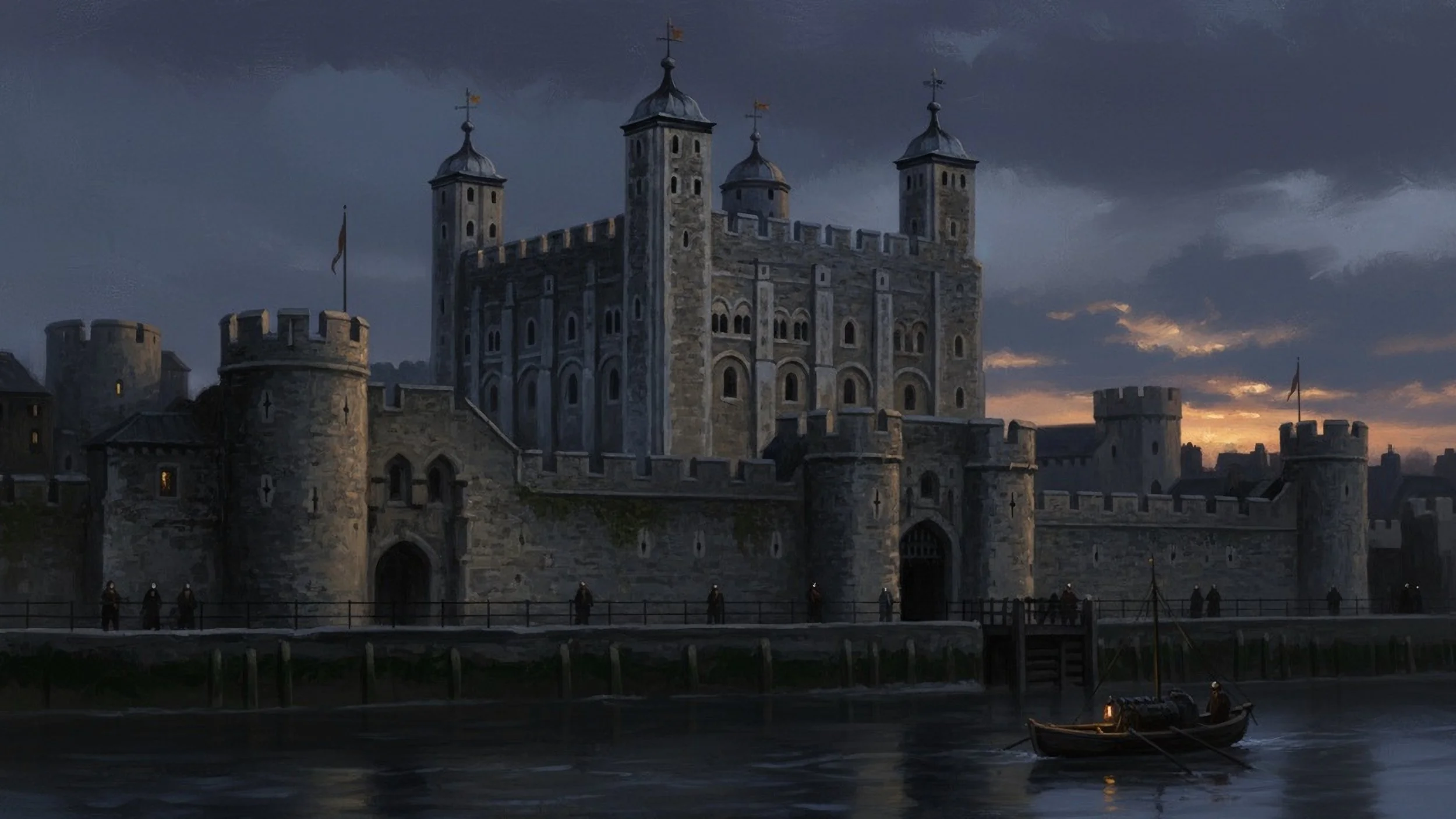
World-Building: The Tudor world-building is rich and immersive — the stink of the Tower, the opulence of court, the constant religious tension, the ever-present threat of the axe. You feel the cold stone walls and smell the fear in the air. It’s dark, claustrophobic, and completely convincing.
The Ending: Focusing on Mary By the time we reach the final section, we’re with the youngest sister, Mary Grey — the last Tudor of the line, tiny in stature but enormous in spirit. After watching both her sisters suffer for daring to love and marry without the queen’s permission, Mary knows exactly how dangerous her own desires are. Yet she’s determined not to let Elizabeth (or anyone else) completely control her fate.
Gregory shows us a young woman who has learned from her sisters’ mistakes and their courage. Mary refuses to be invisible. She reaches for love and a life of her own choosing, even when it means risking everything again. Her story is quieter than her sisters’, more intimate, and in many ways more moving because you can feel how heavy the weight of everything that came before is on her small shoulders. She fights not with grand declarations but with quiet defiance and a stubborn refusal to disappear into the footnotes of history.
You finish the book with a real sense of the cost these women paid just to exist in a world that saw them only as threats or pawns. Mary’s section brings a bittersweet, hard-won sense of closure — not a fairy-tale ending, but one that feels honest to the brutal reality of Tudor England. It left me thinking about all three sisters long after I turned the last page.
Series Information: This is a standalone novel, though it sits nicely alongside Gregory’s other Tudor and Cousins’ War books. You don’t need to have read any others to enjoy it, but if you love this era you’ll probably want to dive into The Other Boleyn Girl, The White Queen, or the rest of her Tudor court series afterwards.
Brief Author Details: Philippa Gregory is one of Britain’s best-loved historical novelists. She has a PhD in history, writes with meticulous research, and has sold millions of books worldwide. Many of her stories (including The Other Boleyn Girl and The White Queen) have been turned into hit TV dramas and films. She has a real gift for shining a light on the women history tried to sideline.
My Overall Rating : ⭐⭐⭐⭐☆ (4.5 stars) Strong on character and historical detail, slightly docked for the occasional jarring switch between sisters and a pace that can feel slow in the first section. Still, a must-read for anyone who loves dark, true Tudor drama.
Final Thoughts: If you enjoy historical fiction that doesn’t shy away from the blood, the betrayal, and the sheer monstrous ambition of the Tudor court, The Last Tudor will not disappoint. It’s a powerful reminder that real history often reads like the darkest fiction. Drop your own star rating below — how did you feel about the pacing, the sisters’ characters, or that final section with Mary? And no major spoilers in the rating section please! I read every comment. 📖